
Why do people gamble? Unpacking the motivations
Understanding the House Edge
The house edge is a fundamental concept in the world of casinos, representing the built-in advantage that the casino has over players in various games. This mathematical edge ensures that the casino will consistently profit over time. For instance, in games like roulette, the house edge typically stands at around 2.7% for European roulette and rises to 5.26% for American roulette, primarily due to the inclusion of the zero and double zero. This means that for every $100 wagered, players can explore options like australian online pokies while the casino is likely to retain a portion of that amount as profit, regardless of the individual outcomes for players.
It is essential to understand that the house edge is not a rigid rule that applies to each individual game played. Instead, it reflects statistical probabilities observed over a large number of rounds. Short-term fluctuations can lead to some players experiencing winning streaks, which might create the illusion that luck is on their side. However, as more games are played, the statistical reality of the house edge becomes increasingly apparent, leading most players to experience losses in the long run.
Some players attempt to mitigate the house edge by adopting various strategies and techniques. While there is no guaranteed method to completely eliminate the house advantage, a deeper understanding of game mechanics and probabilities can empower players to make more informed decisions. For example, in blackjack, employing a basic strategy can reduce the house edge to approximately 0.5%, significantly enhancing a player’s chances of coming out ahead over time.
The Role of Skill in Casino Games
In many casino games, players have the opportunity to leverage skill and strategy to influence their outcomes. Blackjack serves as an excellent example where knowledgeable players can substantially improve their winning potential. Techniques such as card counting, which involves tracking the ratio of high to low cards remaining in play, can provide players with a significant advantage when deciding whether to hit or stand. Although casinos actively discourage this practice and implement countermeasures, players who master it can reduce the house edge even further, making it a valuable skill.
On the flip side, many popular games, including slot machines and roulette, rely predominantly on luck rather than skill. The outcomes are determined by random number generators, leaving players with minimal control over their results. While strategic betting can sometimes enhance a player’s experience, it cannot alter the inherent odds that favor the casino. Therefore, discerning which games offer opportunities for skillful play and which are purely chance-based is crucial when considering where to invest time and money while gambling.
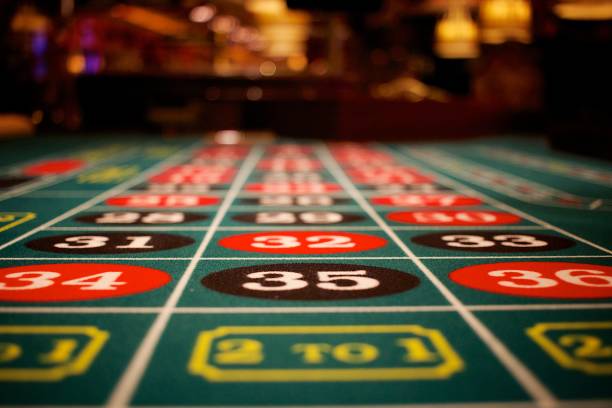
While employing skill can lead to better outcomes in certain games, it is vital to acknowledge that inherent risks remain. As players engage more frequently, they expose themselves to the house edge, and even skilled players are not immune to losses. Consequently, it is essential to approach gambling primarily as a form of entertainment rather than a reliable way to generate income, as the unpredictable nature of games can lead to unexpected and often unfavorable results.
Bankroll Management and Game Selection
Effective bankroll management is a cornerstone of any successful gambling strategy. Players should establish a budget prior to stepping into a casino, ensuring they stick to it to avoid the common trap of chasing losses. By setting limits on the amount wagered on individual games, players can mitigate the risks associated with the house edge. A well-structured approach enables players to enjoy the casino experience without jeopardizing their financial stability or succumbing to impulsive decisions that could lead to significant losses.
Moreover, making informed choices about which games to play can significantly affect a player’s overall experience. Games that feature a lower house edge, such as blackjack, baccarat, or specific poker variants, tend to provide better odds for players seeking to compete against the house. Understanding which games offer the most favorable conditions can empower players to make smarter decisions when participating in casino activities. Conversely, games like keno or progressive slots typically come with higher house edges, making them less desirable for players focused on minimizing losses.
Additionally, players should remain vigilant regarding the promotions and bonuses offered by casinos. Many establishments provide enticing incentives such as sign-up bonuses or loyalty rewards that can enhance a player’s bankroll. However, it is crucial to thoroughly read the terms and conditions associated with these offers, as they often come with wagering requirements that can impact the player’s long-term ability to “beat” the house edge. By maximizing the value of promotional deals while maintaining responsible gambling practices, players can improve their overall gaming experience significantly.
The Psychological Aspect of Gambling
The psychological components of gambling significantly influence how players interact with the house edge. Many individuals approach gambling with a sense of thrill and anticipation, which can lead to emotional decision-making that clouds their judgment. Understanding the psychology behind gambling can assist players in maintaining a more rational mindset when faced with losses or frustration. This understanding is particularly important in avoiding the gambler’s fallacy—the erroneous belief that previous outcomes can impact future results.
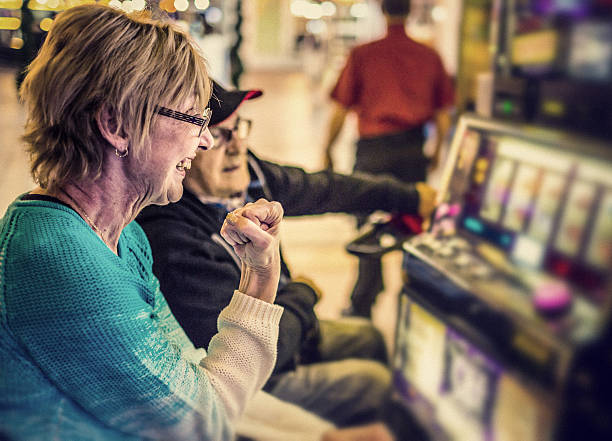
Players who become overly attached to specific games may struggle to recognize the inherent house edge. The emotional high associated with potential wins can create a distorted perception of one’s skills, leading to decisions that contradict sound betting strategies. Cultivating a balanced mindset allows players to savor their experience without succumbing to the dangers of high-stakes betting or reckless behavior when faced with adversity.
Furthermore, recognizing when to walk away is critical for players. Practicing self-awareness and establishing personal limits can prevent individuals from falling into detrimental patterns of behavior. Emphasizing enjoyment over winning and setting clear boundaries can foster a healthier relationship with gambling, enabling players to appreciate the experience rather than solely focus on overcoming the house edge.
Exploring Resources for Gamblers
For those interested in enhancing their understanding of casino games and strategies for managing the house edge, a wealth of resources is available. Numerous websites offer comprehensive guides, expert analysis, and strategy breakdowns tailored to a variety of games, empowering players to make well-informed decisions. Additionally, a plethora of books and tutorials delve into specific strategies for games such as blackjack, poker, and sports betting, providing valuable insights for those eager to sharpen their skills.
Moreover, joining gambling communities or online forums can provide invaluable peer support and insights. Engaging with others who share similar interests can lead to the exchange of tips and strategies, allowing individuals to broaden their understanding of how to navigate the complexities of casino gaming. Such interactions foster a sense of camaraderie and shared experience, making the journey more enjoyable and enlightening.
Ultimately, while players may strive to find methods to beat the house edge, it is crucial to understand that casinos operate based on sound mathematical principles. The real emphasis should be on responsible gaming, finding enjoyment in the process, and maintaining a balanced perspective that appreciates both the thrill and the risks associated with gambling. Engaging in education and community resources can enhance the overall experience and encourage healthier gambling habits.
