
The role of luck versus skill in casino success
Understanding the Concepts of Luck and Skill
Luck and skill are two fundamental elements that significantly influence outcomes in casinos, but they represent very different approaches to gambling. Luck is often perceived as a chance factor, where outcomes are random and unpredictable. For instance, in games like slots and roulette, players find themselves at the mercy of chance, and no amount of skill can alter their fate. These games are designed to create an experience driven by serendipity, where wins and losses depend largely on luck, especially when playing at an online casino uk fast withdrawal platform. This randomness is what attracts many players, as it introduces an element of surprise, making every spin or roll a new adventure.
On the contrary, skill involves a player’s ability to make strategic decisions that can greatly impact their outcomes. In games such as poker and blackjack, players employ tactics, probabilities, and psychological strategies to gain an advantage over opponents or the house. Understanding the nuances of game mechanics, rules, and odds is vital for a skilled player, allowing them to consistently perform better than novices. For example, a seasoned poker player may know when to bluff or fold, using their expertise to outmaneuver less experienced players, which can lead to more favorable results over time.
Ultimately, the balance between luck and skill can shape a player’s approach to casino gaming. While everyone hopes for a stroke of luck, those who rely solely on chance may find themselves at a disadvantage. Analyzing each game reveals how skill can turn the tide in one’s favor, though luck remains an omnipresent force in the casino environment. Thus, it is essential to recognize how both elements play into the broader experience of gambling, influencing not only the outcomes but also the overall enjoyment of the game.
The Role of Luck in Casino Games
Luck plays a dominant role in many casino games, especially those governed by chance rather than skill. In games like roulette or slot machines, outcomes are random, leading to significant swings in fortune. Players often believe that through perseverance, they can beat the odds, but in reality, the house edge ensures that luck is a crucial factor that often determines success. For example, someone might hit a jackpot on a slot machine after just one spin, while another player may spend hours without a win, illustrating the unpredictable nature of luck in these types of games.
Moreover, the randomness inherent in these games contributes to their appeal. The thrill of not knowing the outcome is what keeps players returning for more. Each spin, roll, or flip can lead to unexpected results, maintaining an air of excitement and keeping the adrenaline flowing. Casinos often design their environments to capitalize on this element of surprise, ensuring that players feel the rush of potential fortune at every turn. The ambiance, complete with flashing lights and enticing sounds, further enhances the allure, embedding the idea that luck could strike at any moment.

However, it’s important to note that while luck can lead to immediate success, it is often fleeting. Most discussions around luck highlight its unpredictable nature; indeed, those who rely on pure chance may face heavier losses over time. Players may experience an initial winning streak, only to find that their luck runs out, resulting in substantial losses. In contrast, players looking for lasting success must consider integrating skill into their strategies, as relying solely on luck can lead to a rollercoaster experience filled with highs and lows in the casino.
The Importance of Skill in Casino Success
While luck can lead to quick wins, it is skill that often sustains long-term success in casino games. Particularly in games that require strategy, like poker or blackjack, a player’s skill level can significantly elevate their chances of winning consistently. Skilled players understand the importance of calculating odds, recognizing patterns, and reading opponents’ behaviors, making informed decisions that will maximize their potential returns. For instance, a proficient poker player might employ a bluff to mislead less experienced players, enhancing their chances of winning pots and capitalizing on their opponents’ mistakes.
Additionally, skill allows players to make better decisions regarding bankroll management, helping them navigate potential losses effectively. For example, understanding when to bet heavily or fold can mean the difference between winning and losing large sums of money. Skilled players typically develop a disciplined mindset that guides their actions, contrasting with novice players who may act impulsively. They learn to respect the game, recognizing that patience and strategy often yield more favorable outcomes than mere luck. Over time, this approach can lead to a more sustainable and enjoyable gaming experience.
Moreover, many casinos offer games that allow players to demonstrate their skills, like tournaments for poker or blackjack. These events often draw skilled players who thrive on competition, allowing them to showcase their abilities against others. The presence of skill in these scenarios enhances the entire gaming experience, attracting enthusiasts who appreciate the challenge of outsmarting their opponents rather than simply leaving their futures to fate. This competitive environment not only sharpens their skills but also fosters a community of like-minded individuals who share a passion for strategic play.
Balancing Luck and Skill for Success
Understanding the dynamic between luck and skill is essential for anyone looking to achieve success in the casino world. Recognizing that luck will always be a part of the gambling experience is crucial; it can lead to unexpected wins and losses that may feel completely out of one’s control. However, integrating skill into the overall approach can provide a strategic edge that helps mitigate the unpredictability that luck introduces. Players must accept that while they can influence their outcomes through skill, they cannot eliminate the chance element entirely.
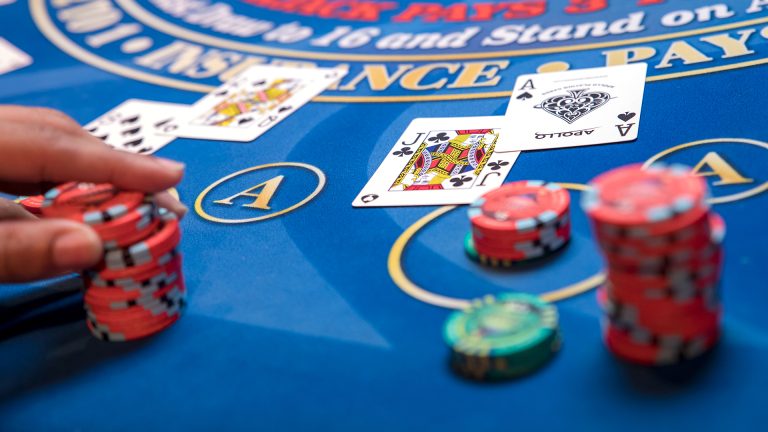
A balanced approach involves knowing which games rely heavily on luck and which ones provide a platform for skillful play. By focusing on skill-based games, players can actively engage in strategies to improve their chances of winning. This means investing time in learning game rules, practicing techniques, and continually honing one’s skills to become a more formidable player over time. For example, players may choose to study poker strategies or practice blackjack techniques, enabling them to make better decisions during gameplay.
Ultimately, successful gambling requires an acknowledgment that neither luck nor skill can guarantee perpetual success on its own. Players should aim to cultivate their skills while remaining mindful of the swings of luck inherent in gambling. This balance can lead to a more rewarding experience, where the thrill of chance complements the satisfaction derived from skillful play. Embracing this duality can transform the gaming experience, making it both exciting and fulfilling for those willing to invest the necessary time and effort.
Embracing the Casino Experience
The world of casinos offers a unique blend of excitement, strategy, and unpredictability. Whether one is drawn to the flashing lights of slot machines or the strategic face-offs at poker tables, understanding the relationship between luck and skill can enhance the overall experience. Players are encouraged to explore different games, experimenting with both luck-driven machines and skill-based strategies to find their niche in the vast gaming landscape. This exploration can lead to personal growth as players learn what works best for them in terms of strategy and enjoyment.
Furthermore, the casino environment fosters a sense of community, where players share tips, strategies, and stories of their gambling experiences. Engaging with fellow players can provide valuable insights into the balance of luck and skill, allowing individuals to learn and adapt their play styles. Many successful players recommend a thoughtful approach that emphasizes learning from each gaming outing, regardless of outcomes. This camaraderie enhances the casino experience, turning it into a social event rather than just a solitary endeavor.
In the end, navigating the world of casinos is ultimately about personal enjoyment and the pursuit of a thrilling experience. Embracing both luck and skill can lead to memorable moments—be it winning a significant hand or enjoying the atmosphere created by the anticipation of each game. By refining skills while remaining open to the surprises that luck presents, players can create a fulfilling and exciting casino journey. This holistic approach ensures that every visit to the casino is not just about the potential for winning but also about enjoying the process and the community that surrounds it.
